
Dong Thap: Over 67,600 Delegates Attend National Conference on Studying and Implementing the 2nd Plenum Resolution
(DTO) On the morning of April 13, a national conference to study, disseminate, and implement the Resolution of the 2nd Plenum of the 14th Party Central Committee was held in a hybrid format, combining in-person and online participation. The main venue was at the National Assembly House, connected to 36,323 sites from provincial to grassroots levels nationwide, with nearly 2.2 million Party members attending. General Secretary and State President To Lam attended and delivered a directive speech.
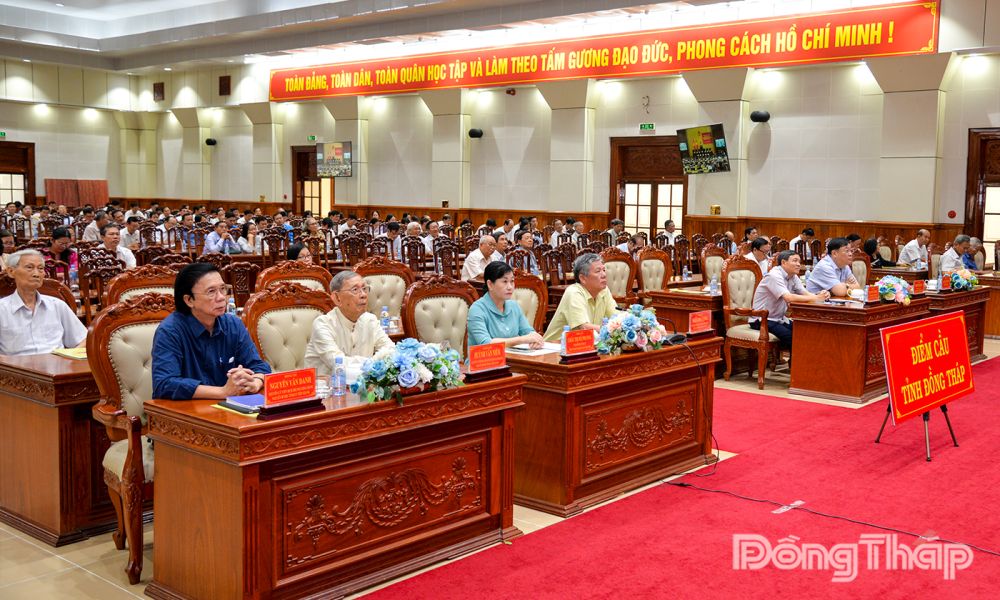
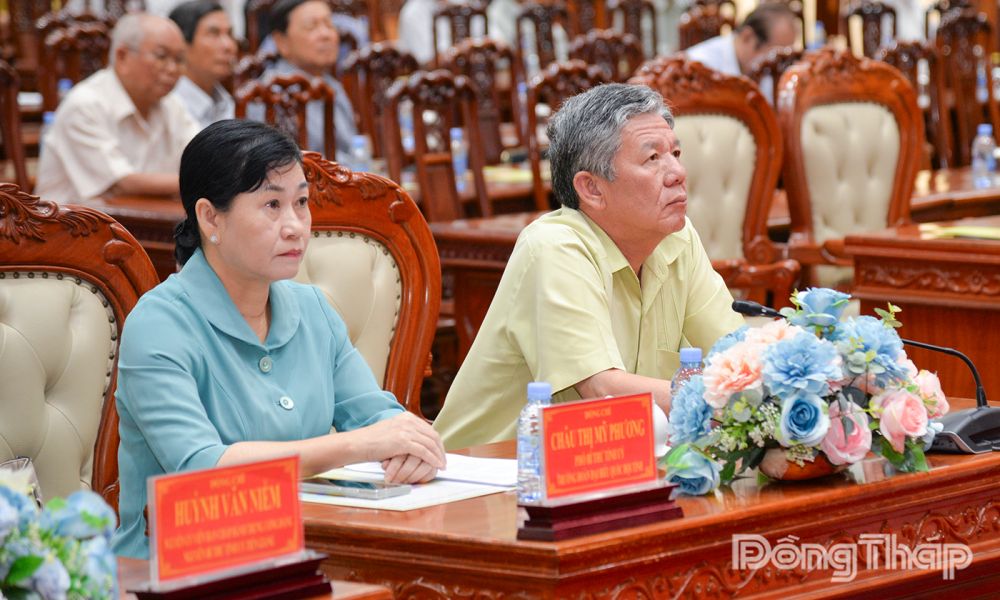
At the Dong Thap provincial site were Ngo Chi Cuong, Member of the Party Central Committee, Secretary of the Provincial Party Committee, Chairman of the Provincial People’s Council; along with former provincial leaders and representatives of departments and agencies.
In Dong Thap, the conference was connected to 815 sites with more than 67,600 delegates in attendance.
Delegates were briefed on five key contents, new points, and core focuses of the Resolutions, Regulations, and Conclusions of the 2nd Plenum of the 14th Party Central Committee: (1) Regulations on the implementation of the Party Charter; (2) Resolution on renewing and enhancing the effectiveness of inspection, supervision, and Party discipline, along with Regulations on the Party’s inspection, supervision, and disciplinary work; (3) Fundamental contents of regulations on political and ideological work within the Party; (4) Resolution on continuing to strengthen the Party’s leadership in anti-corruption, wastefulness prevention, and combating negativity in the new period; (5) Conclusion on the socio-economic development plan, national finance, public debt borrowing and repayment, and medium-term public investment for 2026-2030, associated with the goal of achieving double-digit growth.
The conference aims to help officials and Party members thoroughly grasp the core contents, new points, and key focuses of the Resolutions, Regulations, and Conclusions, thereby translating them into practical, feasible, and effective action programs and plans, ensuring synchronized and consistent implementation from the central to grassroots levels.
In his remarks, General Secretary and State President To Lam emphasized five key issues: Fully and deeply recognize that Party regulations serve as foundational institutions ensuring the unified operation of the Party across the entire political system. Fundamentally renew development thinking and effectively mobilize all resources and capital for sustainable growth. Resolutely overcome localized, sectoral, and term-based mindsets in development planning. Unlock productive forces and mobilize resources among the people, ensuring that every citizen, household, business entity, and enterprise becomes a driver of growth. Continue to improve the effectiveness and efficiency of the two-tier local government model.
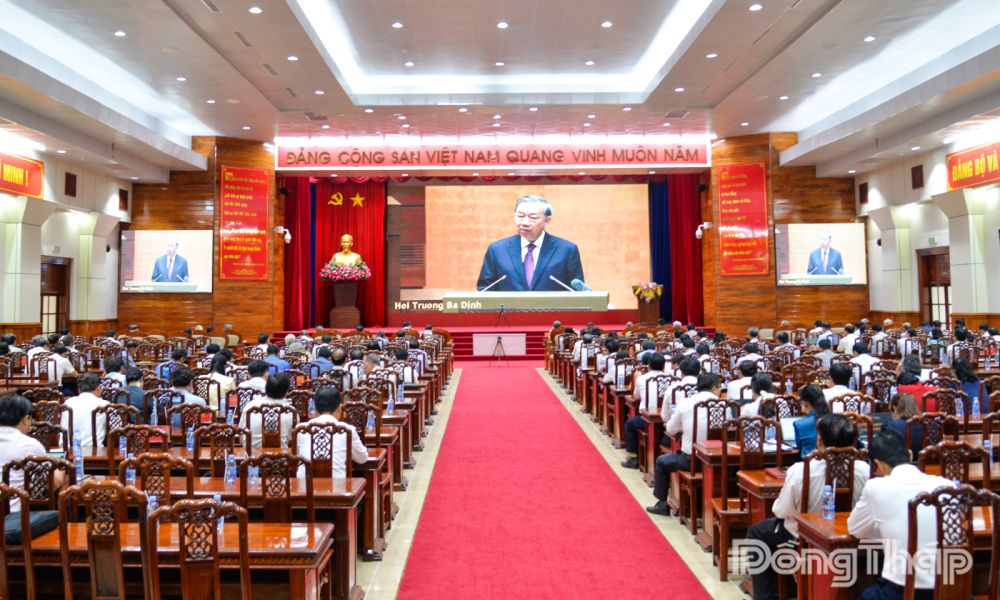
He noted that after nearly a year of implementation, the two-tier local government model has moved beyond the initial startup phase, gradually establishing a relatively stable and smooth operational mechanism, and is now entering a stage focused on improving implementation quality toward real effectiveness.
However, for this model to fully realize its value and strength, it must be viewed within the unified framework of national governance, guided by a consistent principle: the central level focuses on strategic orientation, institutions, and supervision, while local authorities focus on implementation, with the commune level playing a decisive role in the overall system’s performance.
The year 2026 has been designated as the “Year of Grassroots Cadres,” requiring transformation at every local level. To make commune-level authorities a driving force for improving provincial governance, all resolutions, policies, and projects must be translated into concrete actions.
At the same time, these decisions must directly aim at improving people’s quality of life, promoting socio-economic development, and strengthening local competitiveness. This forms the foundation for ensuring consistency, discipline, and effectiveness across the entire political system from central to grassroots levels.
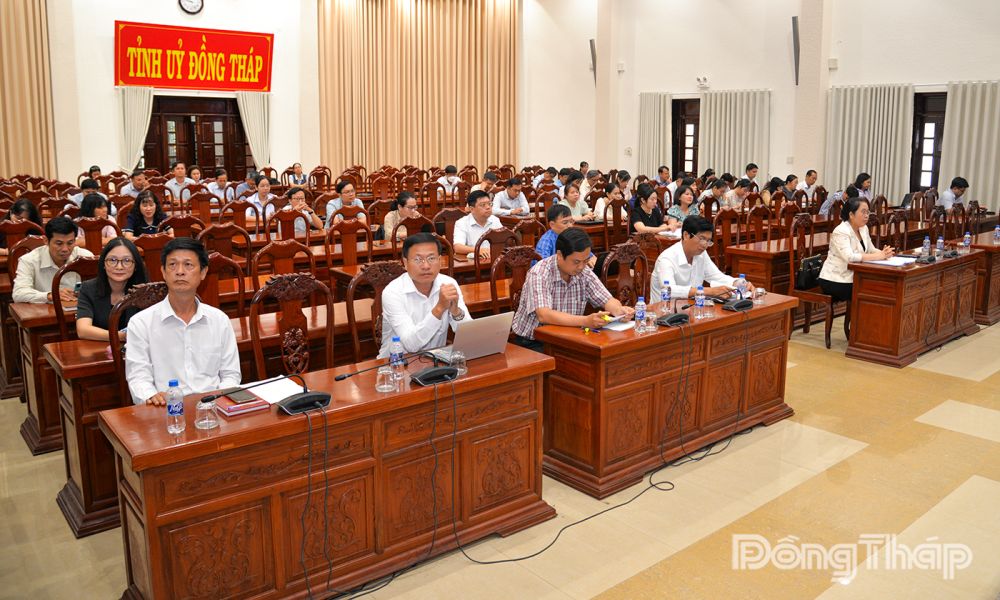
General Secretary and State President To Lam called on Party committees, Party organizations, and all cadres and Party members at every level to act with the highest sense of responsibility, more proactively, more decisively, and more substantively.
Each level, sector, and locality must position itself within the overall national context, clearly identifying its role and responsibility in the country’s development landscape, thereby acting consistently, with discipline and effectiveness.
Most importantly, it is essential to build public trust and motivation for development across society. When people and businesses have confidence, when the system operates smoothly and resources are effectively mobilized, the aspiration for development will be transformed into real strength, contributing to rapid and sustainable national development in the coming period.
By HA NAM
Translated by ANH DUC